
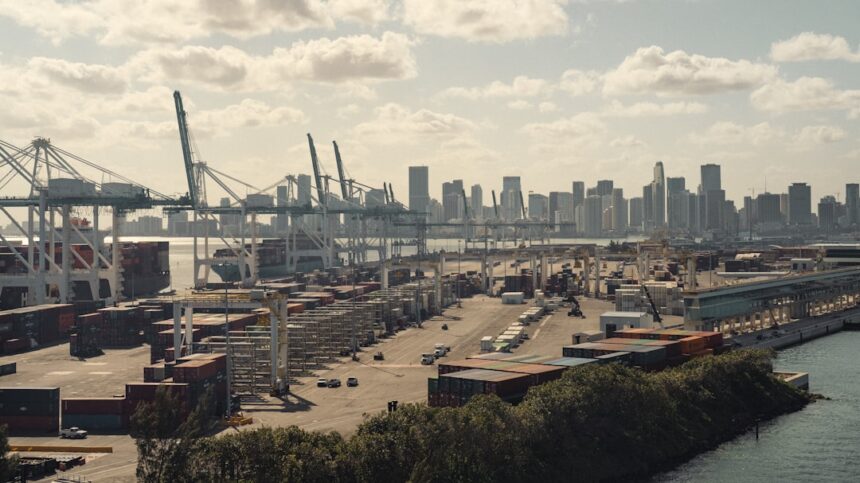
As a freight forwarder, having the right equipment is crucial to ensure the smooth and efficient movement of goods from one place to another. From transportation vehicles to warehousing facilities, each piece of equipment plays a vital role in the logistics process. In this blog post, we will explore the essential equipment that every freight forwarder should have in their arsenal.
Transportation vehicles are the backbone of any freight forwarder’s operations. Whether it’s trucks, ships, planes, or trains, choosing the right vehicles can make all the difference in the timely delivery of goods to their destination. Keeping a well-maintained fleet of vehicles is key to ensuring that shipments are handled with care and delivered on time.
Efficient tracking and monitoring systems are essential for keeping tabs on the whereabouts of shipments at all times. With the advances in technology, freight forwarders now have access to real-time tracking systems that provide valuable insights into the status of each shipment. This not only helps in minimizing delays but also improves overall customer satisfaction.
Choosing the Right Transportation Vehicles
When it comes to the success of a freight forwarder, one of the most critical decisions is selecting the appropriate transportation vehicles. The type of goods being transported, the distance they need to travel, and any special handling requirements all factor into this choice.
For small, lightweight items that need to be delivered quickly, vans or small trucks may be the best option. On the other hand, for larger or heavier goods that need to be transported over long distances, tractor-trailers or cargo ships may be more efficient.
It’s essential to consider the versatility of the transportation vehicles available. Having a fleet that can handle a variety of goods and delivery requirements can help a freight forwarder cater to a wider range of clients and increase their competitiveness in the market.
Another crucial aspect to consider when selecting transportation vehicles is the environmental impact. Freight forwarders should strive to choose vehicles that are fuel-efficient and have low emissions, aligning with the increasing demand for sustainable transportation options.
Ultimately, the right transportation vehicles can make all the difference in the efficiency and effectiveness of a freight forwarder’s operations. By carefully considering factors such as the nature of the goods, transport distance, versatility, and environmental impact, freight forwarders can ensure they have the right tools to meet their clients’ needs.
Efficient Tracking and Monitoring Systems
When it comes to ensuring the successful delivery of goods, having efficient tracking and monitoring systems in place is essential. These systems allow freight forwarders to keep a close eye on the location and status of shipments at all times.
By utilizing advanced technology and software, freight forwarders can track shipments in real-time, providing accurate and up-to-date information to both clients and carriers. This level of transparency is key in maintaining trust and reliability in the logistics industry.
Implementing efficient tracking and monitoring systems also helps to identify any potential issues or delays during transit. By proactively addressing these issues, freight forwarders can minimize disruptions and ensure timely delivery of goods to their destination.
These systems can provide valuable data and insights that can be used to optimize supply chain management processes. By analyzing tracking information, freight forwarders can identify areas for improvement and drive efficiencies in their operations.
“`html
Handling and Packaging Equipment
When it comes to efficiently managing freight, having the right handling and packaging equipment is crucial. From forklifts and pallet jacks to strapping machines and stretch wrap dispensers, each piece of equipment plays a vital role in ensuring that goods are properly secured and transported.
Choosing the appropriate handling and packaging equipment can help streamline operations and minimize the risk of damage during transit. Having sturdy containers, tapes, and labels can also contribute to enhancing the overall efficiency of the shipping process.
Investing in high-quality handling and packaging equipment can lead to cost savings in the long run by reducing the likelihood of product breakage or loss. By utilizing advanced equipment, freight forwarders can improve the overall safety and security of their shipments.
Staying up-to-date with the latest handling and packaging technologies can give freight forwarders a competitive edge in the industry. By continuously evaluating and upgrading their equipment, companies can ensure that their shipping processes remain effective and efficient.
“`
Safety and Security Measures
When it comes to the logistics industry, ensuring the safety and security of goods in transit is paramount. Freight forwarders must implement rigorous safety protocols to protect the cargo under their care.
One key safety measure is conducting thorough risk assessments before each shipment to identify and mitigate potential hazards. This proactive approach helps minimize the likelihood of accidents or incidents during transportation.
Utilizing state-of-the-art security technology such as GPS tracking and tamper-evident seals can provide real-time monitoring and deter theft or unauthorized access to the cargo.
Training personnel on proper handling procedures and emergency protocols is essential to ensure that they are well-equipped to respond effectively in case of unforeseen circumstances.
Implementing strict access controls at warehouses and storage facilities can help prevent unauthorized entry and safeguard the cargo from tampering or theft.
Regular audits and inspections of safety and security measures should be conducted to identify any areas for improvement and ensure compliance with industry regulations and best practices.
By prioritizing safety and security measures throughout the logistics process, freight forwarders can build trust with their clients and uphold their reputation for reliability and professionalism.
Advanced Communication and Documentation Tools
Effective communication is crucial in the freight forwarding industry, where timely updates and clear instructions are essential for successful operations. Utilizing advanced communication tools such as digital messaging platforms and video conferencing software can streamline communication both internally among team members and externally with clients and partners.
documentation tools play a vital role in ensuring compliance with regulations and maintaining accurate records of shipments. Implementing electronic documentation systems can enhance efficiency and reduce the risk of errors commonly associated with manual paperwork.
By integrating automated notification systems into communication tools, freight forwarders can promptly alert stakeholders about any changes in the shipment status or potential disruptions, enabling swift decision-making and proactive problem-solving.
The use of collaborative platforms that allow real-time sharing and editing of documents can streamline the workflow, improve transparency, and foster better collaboration among team members and external partners.
Investing in secure data storage solutions for documentation not only ensures compliance with data protection regulations but also safeguards sensitive information from unauthorized access, cyber threats, and potential data breaches.
Leveraging advanced communication and documentation tools is essential for freight forwarders to improve operational efficiency, enhance collaboration, maintain compliance, and ensure the secure handling of sensitive information throughout the supply chain.
Warehousing and Storage Facilities
When it comes to the operations of a freight forwarder, having adequate warehousing and storage facilities is crucial. These facilities serve as the temporary homes for goods during transit, providing a secure location for inventory management.
The warehousing and storage facilities should be strategically located to optimize efficiency in the logistics process. Access to transportation routes and proximity to major hubs can help streamline the movement of goods in and out of the warehouse.
Efficient organization and layout within the warehousing and storage facilities are essential to maximize space utilization. Proper shelving, pallet racking, and inventory management systems can aid in quick access and retrieval of items.
Maintaining a clean and well-maintained warehousing and storage facility is important for upholding safety standards and ensuring the integrity of stored goods. Regular inspections and adherence to cleanliness protocols are key.
Security measures such as surveillance systems, restricted access areas, and inventory tracking technologies should be implemented within the warehousing and storage facilities to prevent theft, damage, or loss of goods.
Investing in well-equipped and strategically positioned warehousing and storage facilities is fundamental for the smooth operations of a freight forwarding business. The efficiency and safety of these facilities directly impact the overall success of the logistics process.
Conclusion
It’s evident that for a freight forwarder to operate efficiently, having the right equipment is crucial. The ability to transport goods safely and securely, as well as monitor and track shipments effectively, is essential for the success of any freight forwarding operation.
By ensuring that they have the proper handling and packaging equipment, warehousing and storage facilities, and advanced communication and documentation tools, freight forwarders can streamline their processes and provide better services to their clients.
Additionally, investing in safety and security measures is paramount to protect both the goods being transported and the people involved in the process. By prioritizing safety, freight forwarders can build trust with their clients and maintain a positive reputation in the industry.
Staying up-to-date with the latest equipment and technology in the freight forwarding industry is key to remaining competitive and meeting the evolving needs of clients. With the right tools and resources, a freight forwarder can optimize their operations and pave the way for continued growth and success in the future.